Product details checked October 15, 2026.
I’ve spent much of my career working on the path from interest to purchase. How people find the right product. What gives them confidence. Where they hesitate. What makes checkout easier.
A lot of that work happens on a website, with teams studying the experience and improving it one decision at a time.
Google’s Universal Cart gives me another reason to look beyond that familiar path. If customers can build and return to a basket across retailers inside Google, more of the work of winning a purchase can happen before they reach a brand’s site.
For ecommerce leaders, that should change where we look for problems and what we choose to improve.
What Google launched
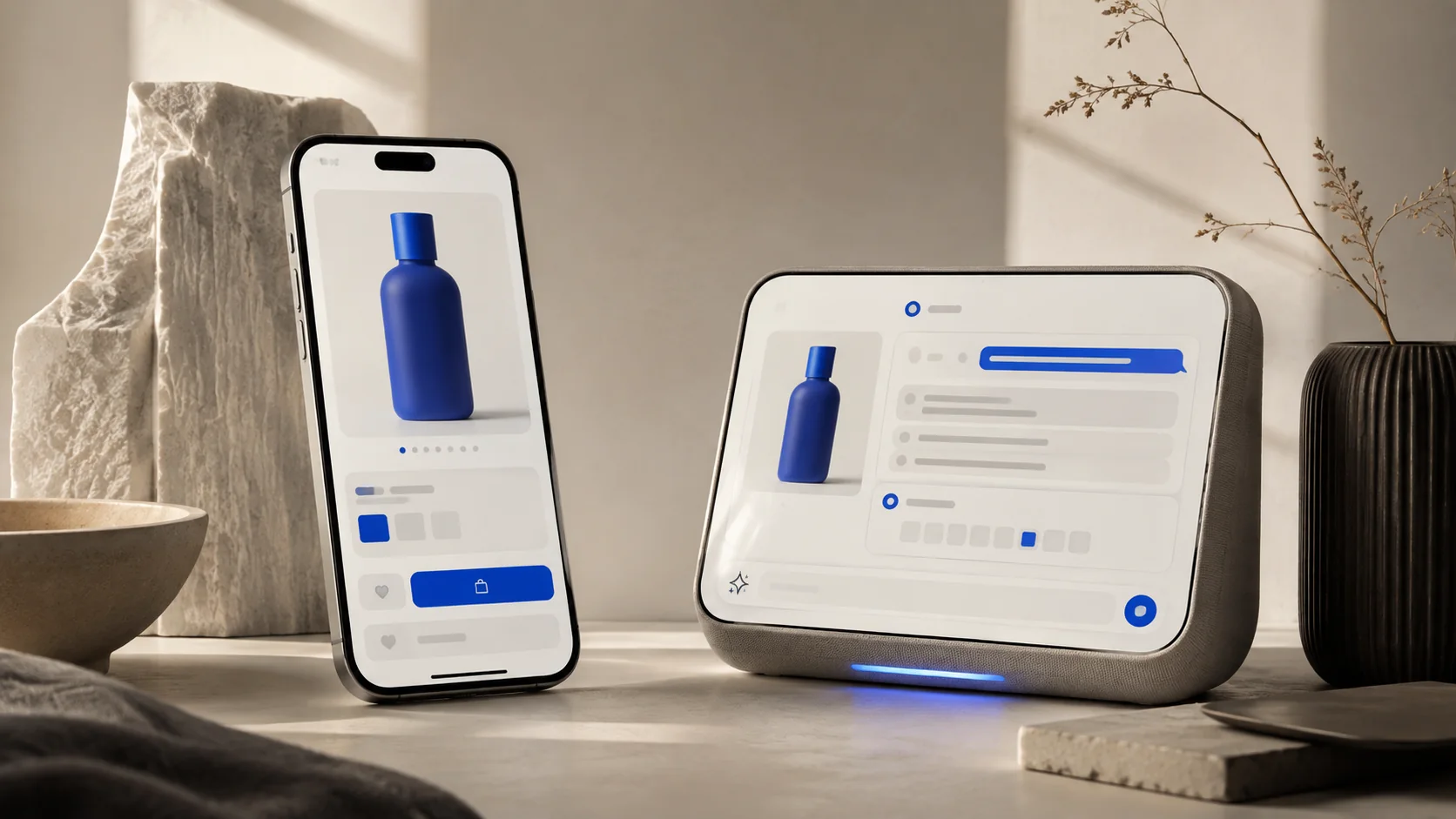
Google began rolling out Universal Cart in the U.S. on October 15 across Search and the Gemini app, following its May preview. It lets shoppers collect products from multiple retailers, monitor price and stock changes, see relevant promotions, and get payment-method suggestions. Supported purchases can finish through Google Pay or transfer to a merchant’s cart. Retailers remain the sellers of record and provide confirmations and support. Google’s launch announcement → describes the scope.
The consumer cart and the Universal Commerce Protocol are related, but distinct. Universal Cart is the shopping experience. UCP is an open standard that connects participating commerce systems. Google’s implementation offers separate paths for checkout on Google and transferring a basket to a merchant’s website. A merchant can support either or both, subject to integration and validation. Google’s integration guide → explains those options.
How the shopping journey changes
The familiar ecommerce funnel is built around a series of steps we can see and influence on our own site: a visitor arrives, finds a product, evaluates it, adds it to a cart, and checks out. Customers have always moved between channels, but that sequence still shapes how many teams organize their work.
Consider someone shopping for a jacket. In a typical website-centered journey, they click a search result, browse a retailer’s collection, compare styles, open a product page, check sizing and returns, then decide whether to add one to the cart. They may repeat that process on several sites. Each retailer has a separate opportunity to help them choose.
With Universal Cart, that shopper could find options in Search or Gemini, save products from different retailers together, and return to the saved selection later. When they are ready, supported items can be purchased through Google Pay or handed off to a retailer’s cart. That is an illustrative use of the flows Google announced →, rather than a checkout journey I have personally tested.
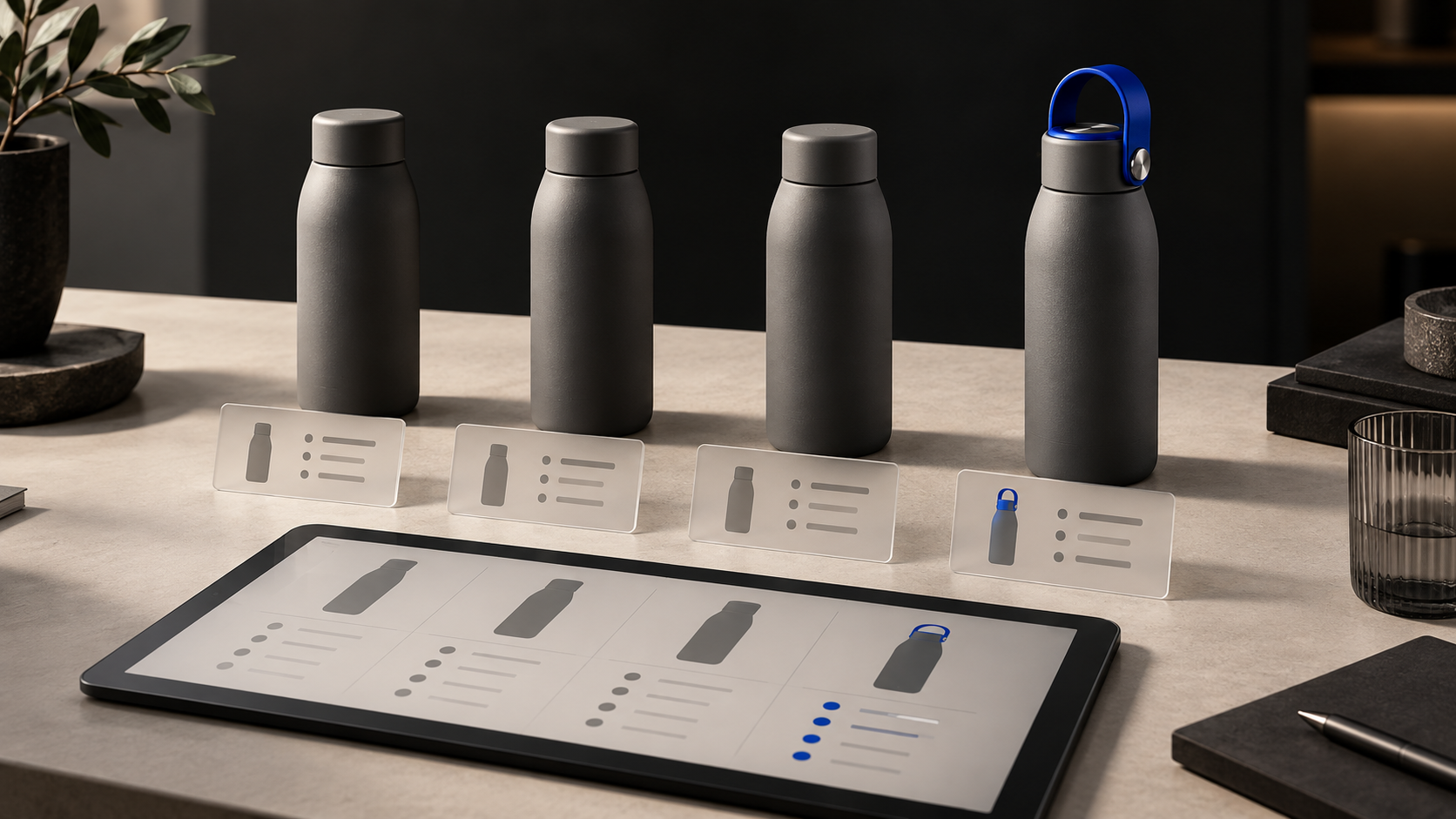
The shopper still needs to understand the product, compare alternatives, trust the seller, and feel confident about the purchase. More of that decision can happen in an experience another company designs. The retailer’s site may enter the journey after the customer has selected a product, or a supported purchase may finish on Google.
The familiar funnel
Universal Cart
The journey now branches according to the merchant and purchase. Google’s integration documentation → separates checkout on Google from transfer to a merchant’s cart. A shared place to save products should not be read as a guarantee of one combined order across every retailer.
That changes the role of the pages and interactions we have spent years optimizing. A product page may become a place to resolve one remaining question. A cart handoff needs to preserve the selections already made. We need to help the customer continue from the point they have reached.
Product information has to agree with the purchase experience
In my experience, keeping product information consistent across systems takes real ownership. Marketing copy, product records, promotions, availability, and checkout rules can all have different owners and update schedules.
A journey that crosses platforms makes those seams more consequential.
Imagine a customer selecting a particular product variant and offer in Google, then arriving at a retailer’s cart to find a different price or an unavailable option. From the customer’s perspective, the experience has failed. The explanation that two systems were out of sync offers very little reassurance.
One detail in Google’s Cart API overview → caught my attention: it describes the initial cart-transfer release as creating and handing off a basket, without continuous synchronization between Google and the merchant’s cart.
I would want the team to test that handoff carefully. Does the correct variant arrive? Are quantities preserved? What happens when an offer expires or availability changes? Can the customer recover without starting over?
Those are concrete experience problems. Solving them will require product, engineering, content, merchandising, and operations to work together.
The transaction and the customer relationship need separate attention
Google’s documentation says merchants remain responsible for the transaction, retain their customer relationships and data, and apply their own purchase terms. It also makes clear that standard privacy and consent requirements continue to apply. The UCP FAQ → sets out those responsibilities.
That continuity matters. So does the possibility that Google becomes the place a shopper habitually returns to when they want to buy again.
I would want to know whether a sale through this experience leads to a stronger relationship with our brand. Does the customer understand who they bought from? Do they know where to go for help? Does the experience give them a reason to choose us again?
Delivery, service, and the quality of the product become especially important when another platform shapes much of the shopping interface. We still have to deliver on the expectations created along the way.
Website conversion will need more context
A familiar website funnel lets us count visits, product views, cart additions, checkout starts, and orders within one environment. When parts of that sequence happen elsewhere, our website analytics show only the portion that reaches us.
If more customers arrive with a basket already selected, the mix of website visits could change. A higher onsite conversion rate might partly reflect stronger purchase intent at arrival. Fewer browsing sessions could coexist with healthy sales through another path.
I would be careful about comparing these journeys as if every step meant the same thing. Saving a product to a cross-retailer basket may represent ongoing consideration. Arriving at a merchant’s checkout with that selection could represent much stronger intent. We need to understand what each event actually tells us.
I would want to connect channel activity to completed orders, margin, cancellations, returns, repeat purchases, and customer support needs. I would also want to distinguish genuinely additional demand from purchases that shifted away from another channel.
That will take more than adding a new traffic-source label to a dashboard. It means understanding which parts of the journey we can observe, where the gaps are, and what evidence would justify increasing investment.
Experimentation should follow that change in intent. For people arriving with products selected, I would test reassurance, offer clarity, and recovery from handoff problems. For people still deciding, I would examine how clearly our product information answers their questions. Those are different jobs, and we should judge them against the appropriate customer and business outcomes.
What I would prioritize
I would start with three things.
- Test the paths customers can actually take. Follow one suitable product through Google checkout and another through a merchant-cart handoff where those options are available. Check what the customer sees, what reaches our systems, and where the next step becomes confusing.
- Assign ownership to the information and handoffs. Someone needs to be accountable for how product details, offers, and availability reach the customer, including the points where systems disagree.
- Define a pilot around business results. Agree on what would demonstrate additional profitable sales, how those orders will be reconciled, and which customer problems would cause us to pause or adjust.
That would give me a much better basis for a roadmap decision than a feature announcement alone.
A broader responsibility for ecommerce teams
I’ve written before about websites losing their position as the required center of a shopping journey →. Universal Cart gives that discussion a more specific experience to examine.
I’m interested in whether it saves customers effort and helps them make confident decisions. I also want to see how reliably it works across merchants, what shoppers come back to use, and what the economics look like over time.
For the teams leading ecommerce, the opportunity is to broaden what we consider our responsibility. We can improve the experience on our own site and take ownership of the information, integrations, and service that support a purchase elsewhere.
I want our teams to be able to explain how a customer chose us, what helped them complete the purchase, and whether we delivered what they expected. That is a useful standard wherever the cart lives.
Did you like this?