For most of the digital era, search did not answer the customer’s question.
It organized the possible answers.
A customer searched. A results page offered a collection of links. Brands competed for position, attention, and ultimately the click.
That click mattered because it returned control of the experience to the brand.
Once the customer arrived, the website could explain the product, express the brand, answer questions, establish trust, and guide the next step.
AI changes that arrangement.
A customer can now ask for a recommendation and receive a synthesized answer instead of a page of links. The system may compare options, interpret reviews, evaluate tradeoffs, and narrow the choices before the customer visits a brand’s website.
Increasingly, it may help complete the purchase as well.
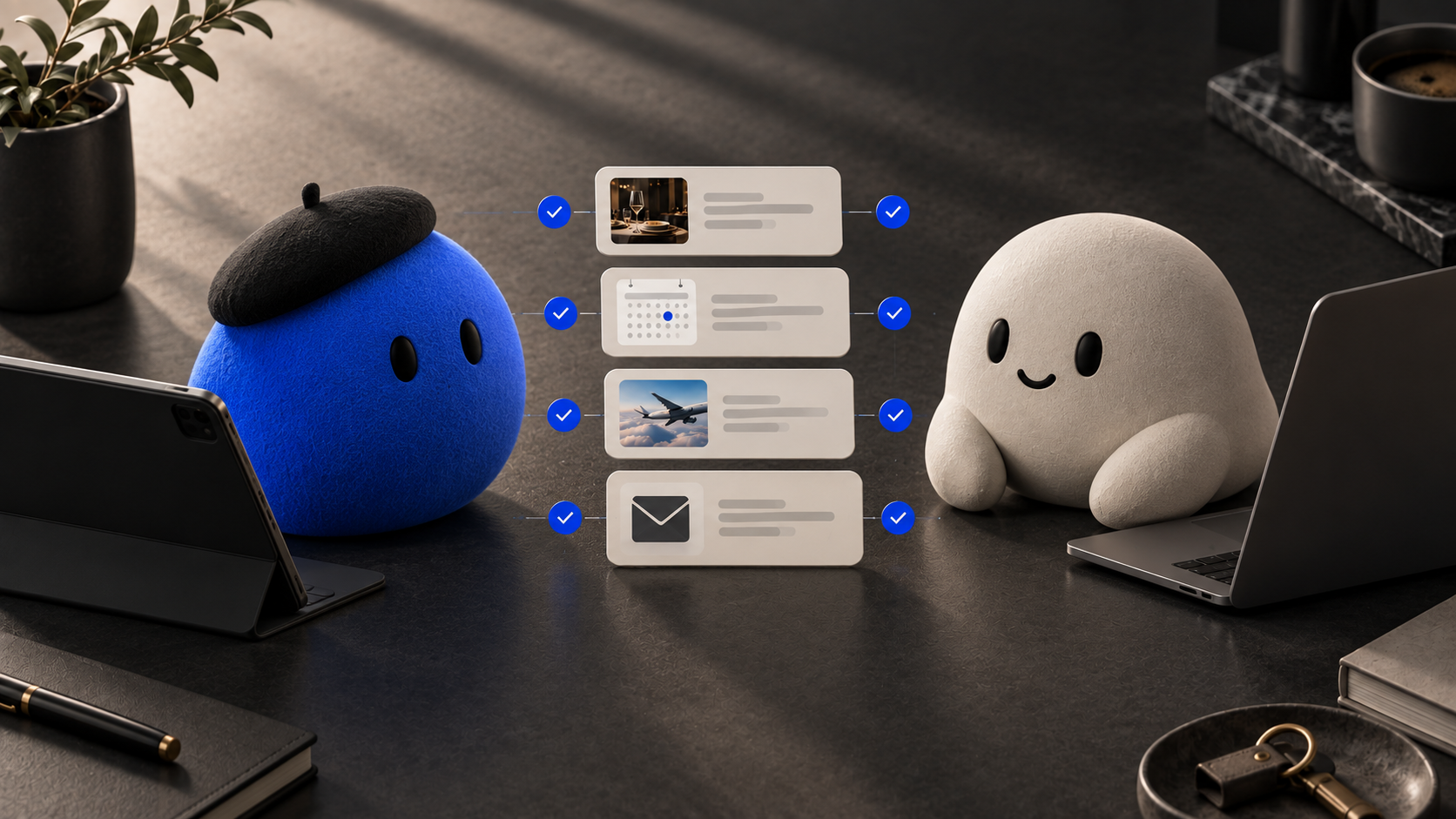
The search results page was once the front door to the internet. AI is becoming the front door to the brand.
Search used to create a handoff
The traditional search experience created a relatively clear division of responsibility.
The search engine helped the customer find possible destinations. The brand took over from there.
That structure shaped how digital teams worked.
Search teams focused on rankings. Content teams created pages that could attract demand. Experience teams optimized what happened after arrival. Analytics teams measured visits, engagement, and conversion.
The journey was never quite that simple, but the click created a useful boundary.
AI makes that boundary less visible.
The customer may learn about the product, understand its strengths, compare it with alternatives, and decide whether it belongs in the consideration set without entering the brand’s experience.
The brand still participates. It simply may not be present for the conversation.
Visibility no longer guarantees a visit
For years, digital visibility and website traffic were closely connected.
If a brand appeared prominently for a valuable search, some percentage of customers would visit. More visibility generally created more opportunities to persuade and convert.
AI can separate those two outcomes.
A brand may influence an answer without receiving a visit. Its information may help shape a recommendation even when the customer never sees the source.
The opposite can happen as well.
A brand may rank well in conventional search but fail to appear in an AI-generated answer because its information is unclear, unsupported, inconsistent, or difficult to interpret.
This does not make traditional search irrelevant. It does make traffic an incomplete measure of whether the brand is present in the journey.
A customer can encounter the brand’s products, claims, reputation, and policies without encountering the website itself.
That is a meaningful change.
The brand has to be understood before it can be persuasive
A website gives a brand room to make its case.
It can use photography, language, design, storytelling, and interaction to create context around a product. It can decide what to emphasize and in what order.
An AI system may reduce that experience to a smaller set of facts.
What is the product? Who is it for? What makes it different? Is it available? What does it cost? What evidence supports the claims? How does the return policy work? Can the source be trusted?
If those answers are incomplete or inconsistent, the brand may be excluded before persuasion begins.
That makes clarity a distribution capability.
Product information, customer policies, reviews, expert content, structured data, and third-party references all help an AI system understand what the brand offers and when it may be relevant.
This is not simply a new form of optimization.
It is the work of making the organization’s knowledge coherent enough for an external system to use.
Generic content becomes harder to justify
Search created an enormous market for content designed primarily to attract a query.
Some of that content is genuinely useful. Much of it repeats what has already been said, with slightly different phrasing and a new page title.
That approach becomes less valuable when AI can synthesize the same general information from many sources.
A brand does not become more useful by publishing another version of an answer the internet already has.
It becomes useful by contributing something distinct.
That could be original expertise, proprietary data, a clear point of view, firsthand experience, better product information, or evidence that supports a claim.
The question shifts from “What content can we rank for?” to “What do we know that would make the answer better?”
That is a more demanding question.
It is also a healthier one.
Brand memory matters when the choices narrow
AI may reduce a broad field of possibilities to a much smaller set of recommendations.
That makes inclusion more valuable. It may also make brand preference more influential.
A customer does not always ask for the objectively best option. They bring history, confidence, values, and risk tolerance to the request.
They may ask for a brand they already know. They may exclude one they do not trust. They may prefer the company with the more dependable warranty, clearer policies, better service, or stronger reputation.
Brand becomes part of the instruction.
This is why investing only in machine-readable information would be a mistake.
AI needs to understand the brand. People still need to remember it, believe it, and want it.
The website remains important because it is one of the few places where the brand can still create depth on its own terms. But it may become the place customers visit to validate a recommendation rather than the place where discovery begins.
There may be fewer direct interactions.
Each one may matter more.
The work moves beyond the search team
This shift will not be solved through a new SEO checklist.
Search specialists will remain important, but the work increasingly crosses content, product, commerce, data, technology, communications, and customer service.
The information describing a product has to match the product itself.
Claims need evidence.
Prices and inventory need to be current.
Policies need to be clear enough for both people and machines to interpret.
Third-party reputation needs to align with the story the brand tells about itself.
And the experience after an AI referral needs to continue the conversation rather than force the customer to begin again.
The AI interface may be new. The conditions required to succeed within it reach deep into the organization.
The front door can move without the brand disappearing
I do not think AI means the end of search, websites, or brands.
It does mean they may play different roles.
Search may become less about navigating a list of destinations and more about receiving a useful decision. The website may receive fewer exploratory visits and more customers arriving with a recommendation already in mind.
The brand may have less control over how the journey begins.
It still controls whether its information is clear, its claims are credible, its products are understandable, and its promise is worth carrying into someone else’s interface.
The search results page gave brands a chance to make their case after the click.
AI may require them to make more of that case before the click ever happens.
When AI becomes the front door, the goal is not simply to appear in the answer.
It is to be a brand worth choosing once the answer arrives.
Did you like this?