When I read OpenAI’s announcement about Businesses in ChatGPT →, part of it felt familiar.
Businesses can claim their presence, maintain their information, and understand how people engage with them on a platform they don’t own.
We’ve done versions of that before.
Google Business Profiles → help businesses manage their presence on Search and Maps. Yelp → and Trustpilot → allow businesses to claim profiles and participate in customer feedback. Facebook Pages → give businesses another place to communicate with customers. Each has its own purpose and rules, but the underlying idea is recognizable: maintain a presence where customers are already spending time.
For many businesses, those profiles became part of the path to their website.
Someone might discover the business, check its reviews, confirm a few details, and then click through. The website was where the business expected to explain the full offer, help someone compare options, capture a lead, or complete a purchase.
That is a familiar journey for those of us working in digital experience and ecommerce. We maintain the places where people discover us, then work to make the visit to our website useful.
OpenAI’s announcement makes me think about how that handoff could change.
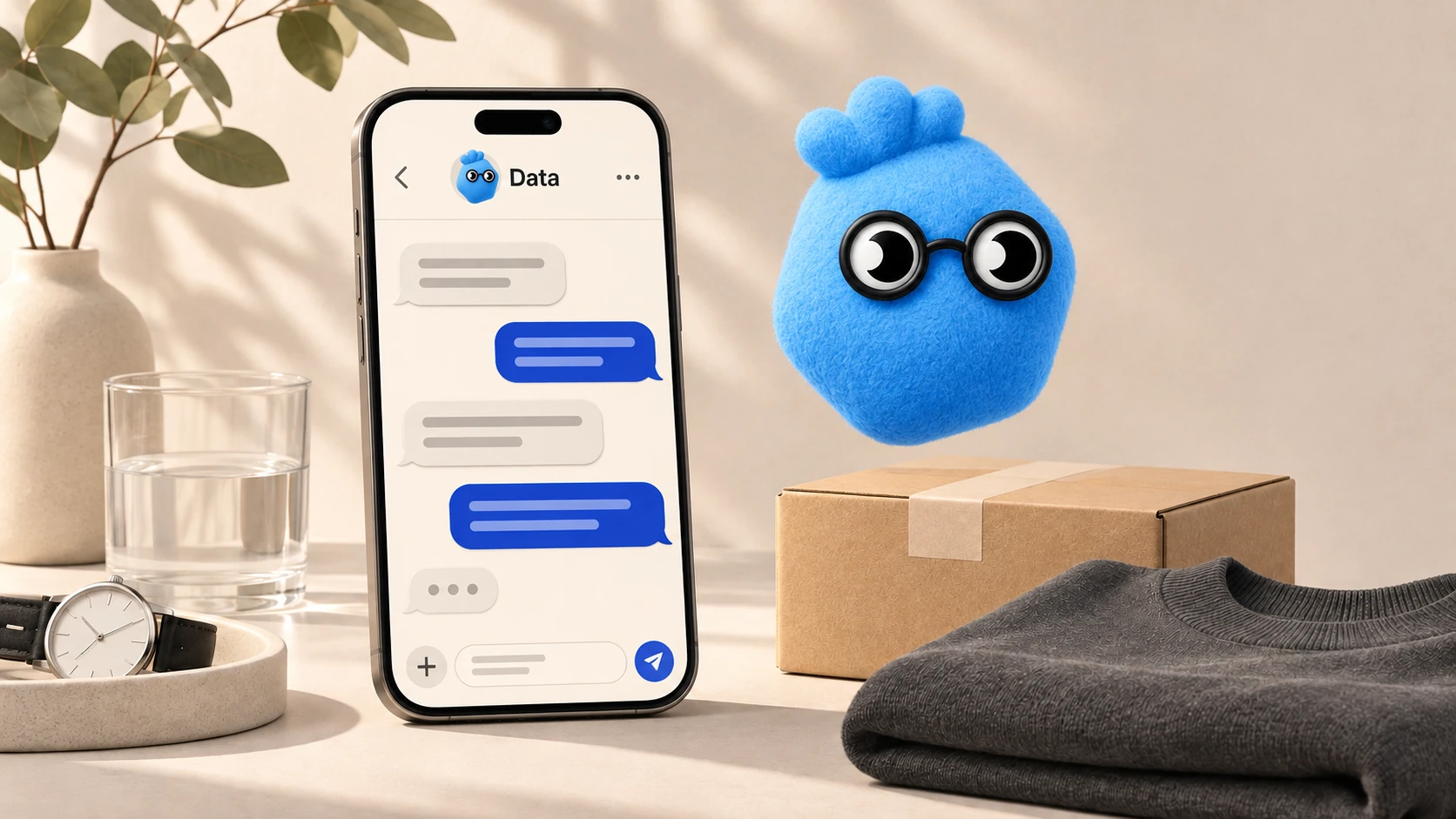
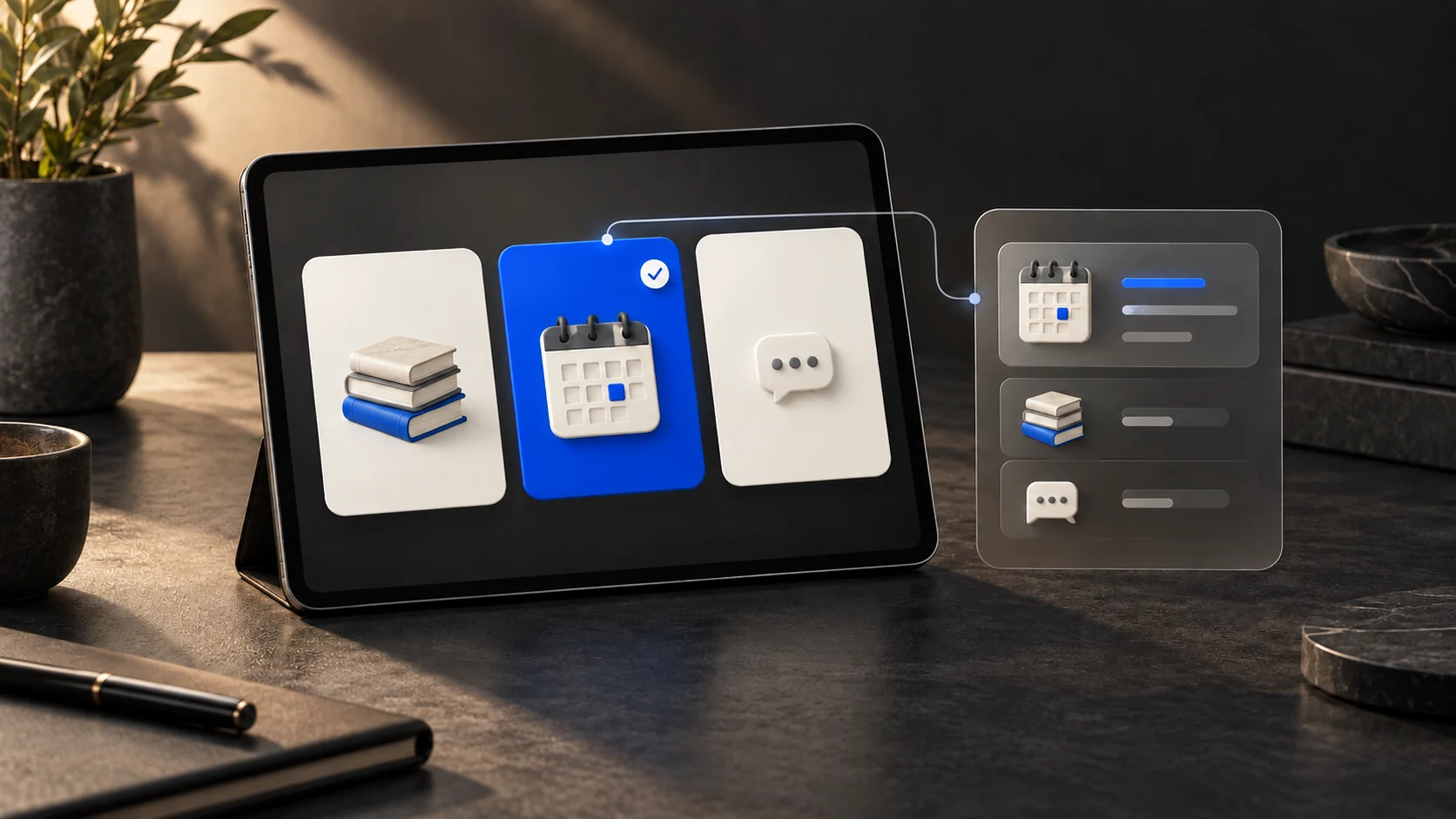
On November 10, OpenAI introduced Businesses in ChatGPT in beta. Through Business Hub, eligible organizations can claim their business, update information, and provide product feeds. Business Agents, initially available to eligible U.S. ecommerce and online service businesses, let people ask follow-up questions about a company’s offerings. Those conversations are labeled and separate from ChatGPT’s independent answers.
The profile is a familiar starting point. What interests me is how much of the customer’s decision could happen around it.
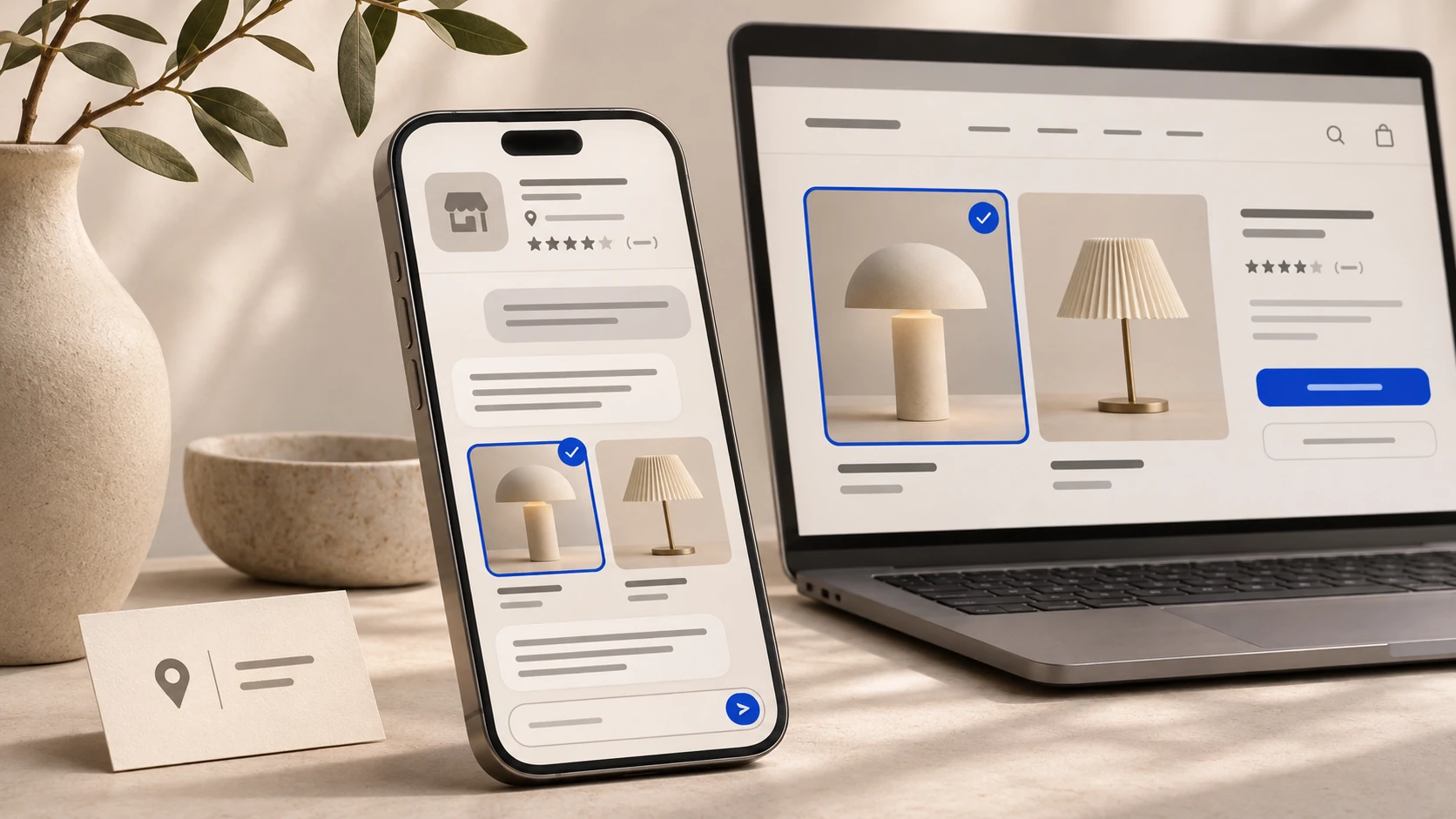
A person could discover a business in ChatGPT, explore its offerings, and ask specific questions before deciding whether to visit the website.
That gives the business an opportunity to help someone make progress earlier in the journey. It also changes what that person may need when they eventually arrive.
There is already precedent for customers doing more within another platform. Google Business Profiles → support actions such as reservations and ordering through supported integrations, and Facebook Pages support customer messaging. These experiences have been expanding beyond a simple listing for some time.
What interests me about ChatGPT is the opportunity to connect discovery with more detailed product guidance in the same environment.
Imagine someone comparing two study programs. They may already know the price and what each package includes. What they need to understand is whether a schedule works around their job, how much support they will receive, and whether the program fits the time they have before an exam.
A useful conversation could help them work through those questions before they ever open the brand’s website.
That deserves attention from the teams responsible for the experience on both sides of the handoff.
A lot of my work involves helping customers make sense of their choices. We think about page structure, comparisons, guided selection, content, and the information someone needs before taking the next step.
Those same questions become relevant in a conversation. The information we maintain needs to support clear answers about the differences that matter.
If two products have different support levels, those differences need to be understandable. If an offer has conditions, those conditions need to be available. If availability changes, someone needs to maintain it.
Claiming a profile is the beginning of that work. Keeping the experience useful is an ongoing responsibility.
I would want to test it using the questions customers already bring to us. Where do they hesitate? What do they misunderstand? Which differences are hardest to explain? When would help from a person be useful?
I would also want to examine what happens when someone continues to our website.
If a customer has already narrowed their options, can they reach a useful comparison quickly? If they are ready to buy, is the next step clear? If they arrive to verify a detail, can they find it without starting their research again?
We may not receive the conversation that brought them there. We can still make the website easier to enter at different stages of a decision.
Measurement needs similar thought.
Business Hub provides aggregated insights into mentions, website clicks, and discovery topics. OpenAI says these insights do not share users’ conversations or Business Agent chats with businesses.
Those measures can help us understand our presence. We will also need to evaluate whether the experience helps customers choose and whether the visits we receive lead to useful outcomes.
A website click still matters. Its meaning depends partly on what the customer has already accomplished before making it.
There is a trust consideration here too. OpenAI allows businesses to sponsor their Business Agent and use it as a destination for ChatGPT Ads, with sponsored placements labeled and separate from ChatGPT responses.
Customers should understand whose guidance they are receiving. Once someone enters a conversation representing a business, that business needs to earn their confidence through accurate information and useful answers.
I see this announcement as another step in a pattern digital teams already know: customer journeys expand across platforms, and businesses adapt how they participate.
The opportunity now is to think beyond the profile itself.
When customers reach our website, how much will they already understand? What will they still need? And have we built an experience that helps them continue?
Did you like this?